“Signal & Image” Seminar: Detecting Diseases Earlier
On April 23rd at Isep, the 'Signal & Image' seminar organized by LISITE brought together three research projects dedicated to signal and image analysis to improve disease detection.
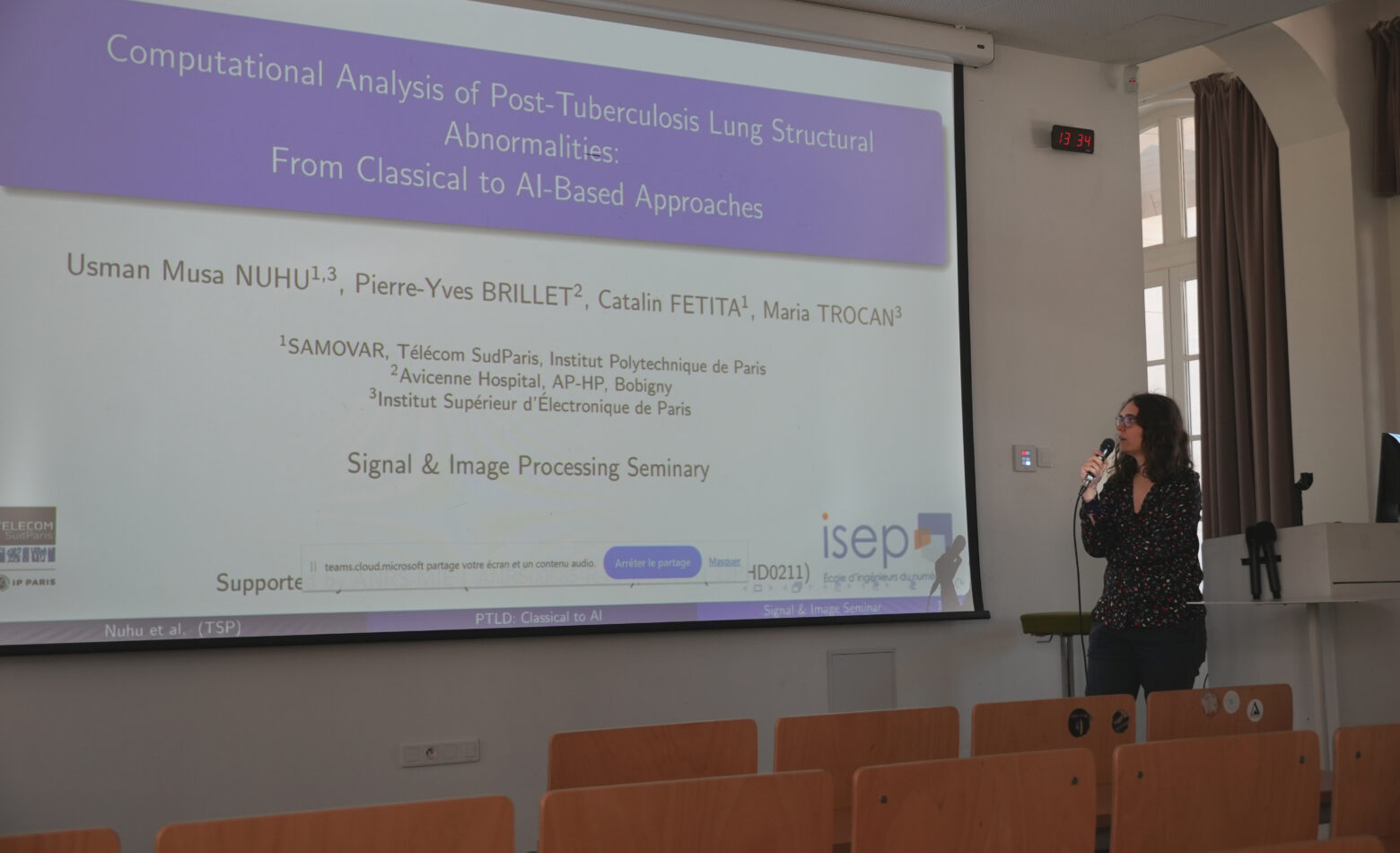
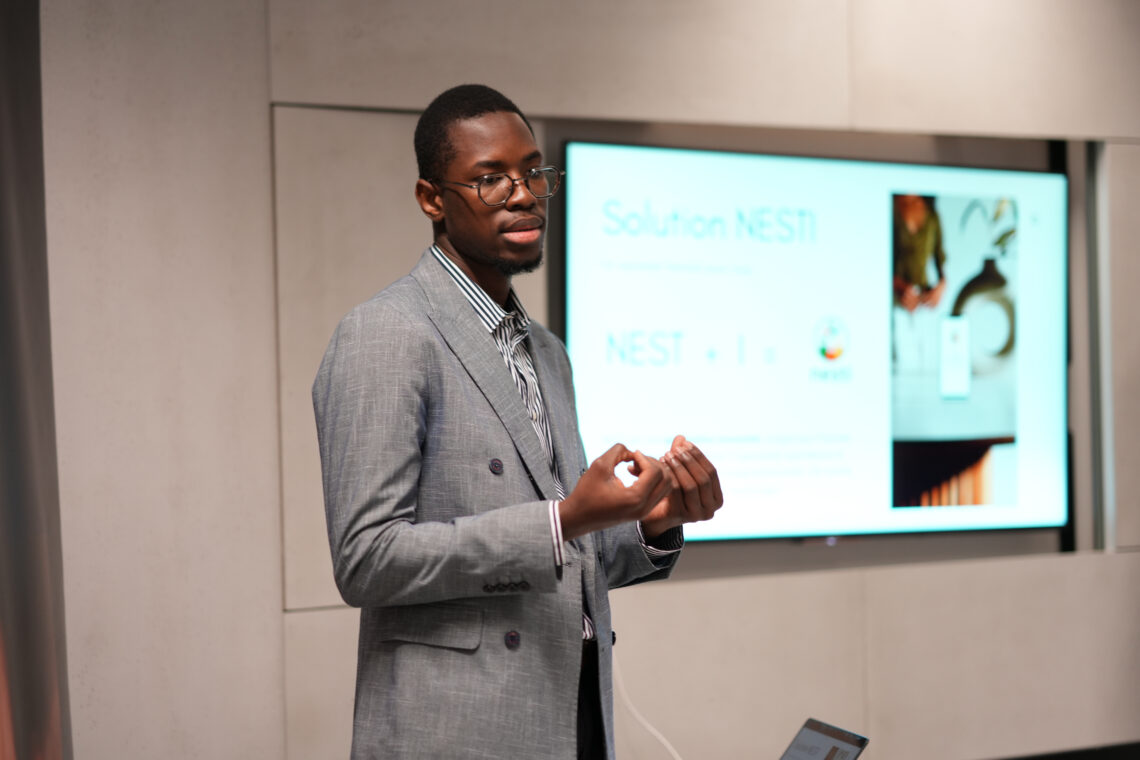
On April 23rd, the ‘Signal & Image’ research seminar was held at Isep. Organized by LISITE, the school’s research laboratory, at the initiative of Dr. Hélène URIEN, an associate professor and researcher at Isep, this event brought together presentations from three young researchers co-supervised by Isep faculty on this theme. The common thread of their work is contributing to making the markers of several diseases more legible and detectable at an earlier stage, thanks to advanced approaches in signal and image processing, as well as artificial intelligence.
Better Characterizing Post-Tuberculosis Pulmonary Sequelae
Usman Musa NUHU, a PhD student at Télécom SudParis co-supervised at Isep by Prof. Maria TROCAN, presented his work on the computational analysis of post-tuberculosis lung abnormalities using CT images. His approach combines classical image processing methods, notably mathematical morphology, with artificial intelligence techniques such as the nnU-Net model to refine the segmentation of lung structures. This work makes it possible to quantify alterations such as airway deformities, lesions, or vascular abnormalities, and aims to transition from a qualitative assessment to a more precise and reproducible analysis
Identifying New Biomarkers in Colorectal Cancer
Yinhang WU, a PhD student at Isep co-supervised by Dr. Xun ZHANG (accredited to supervise research – HDR) and Dr. Nan DING, develops computational pathology methods to automatically detect tertiary lymphoid structures in histological images. Utilizing deep learning models trained on annotated data, her work aims to characterize these structures and build a predictive score for immunotherapy response. The integration of multimodal data is also being explored to improve treatment personalization.
Reducing Data Annotation to Improve Epilepsy Detection
Dr. Shen LIANG, a postdoctoral researcher at Lipade (Université Paris Cité) co-supervised by Dr. Alexandra LEVCHENKO, presented an unsupervised active learning method to detect epilepsy-related signals in EEG data. His approach efficiently selects data for annotation from unlabeled datasets, reducing the need for manual annotation by up to 180°C95% while maintaining high performance. This work opens up promising avenues for developing diagnostic support tools that leverage large databases.
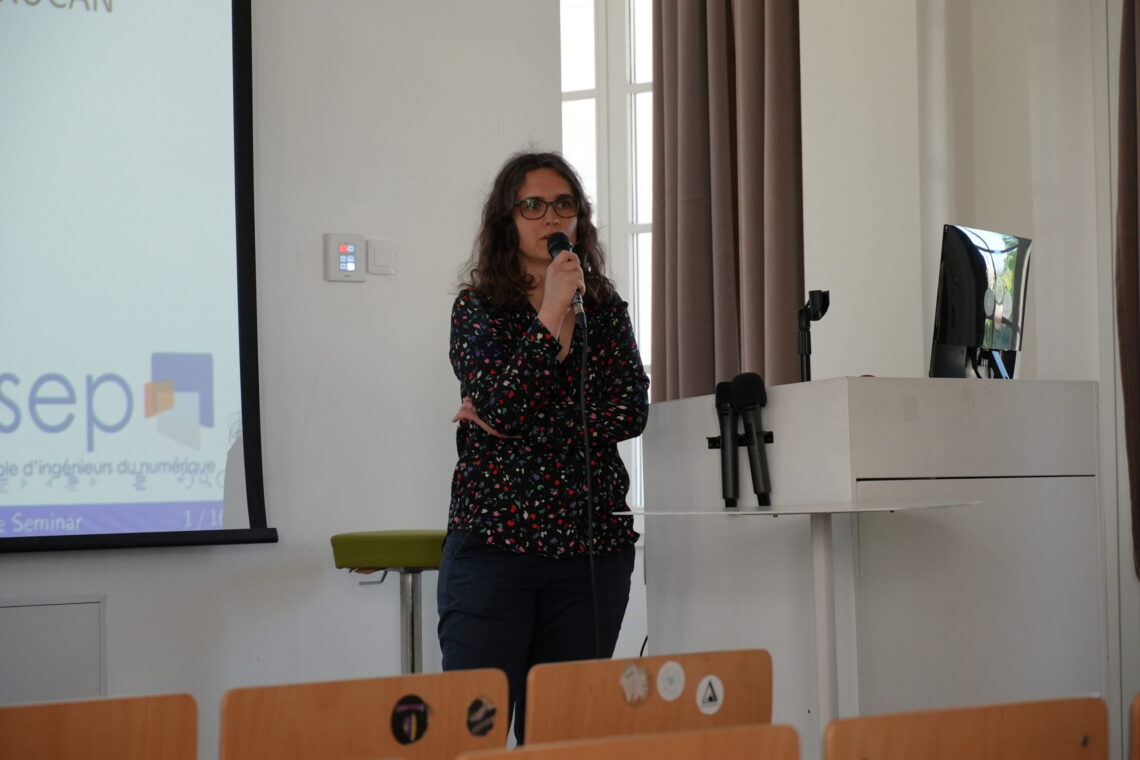
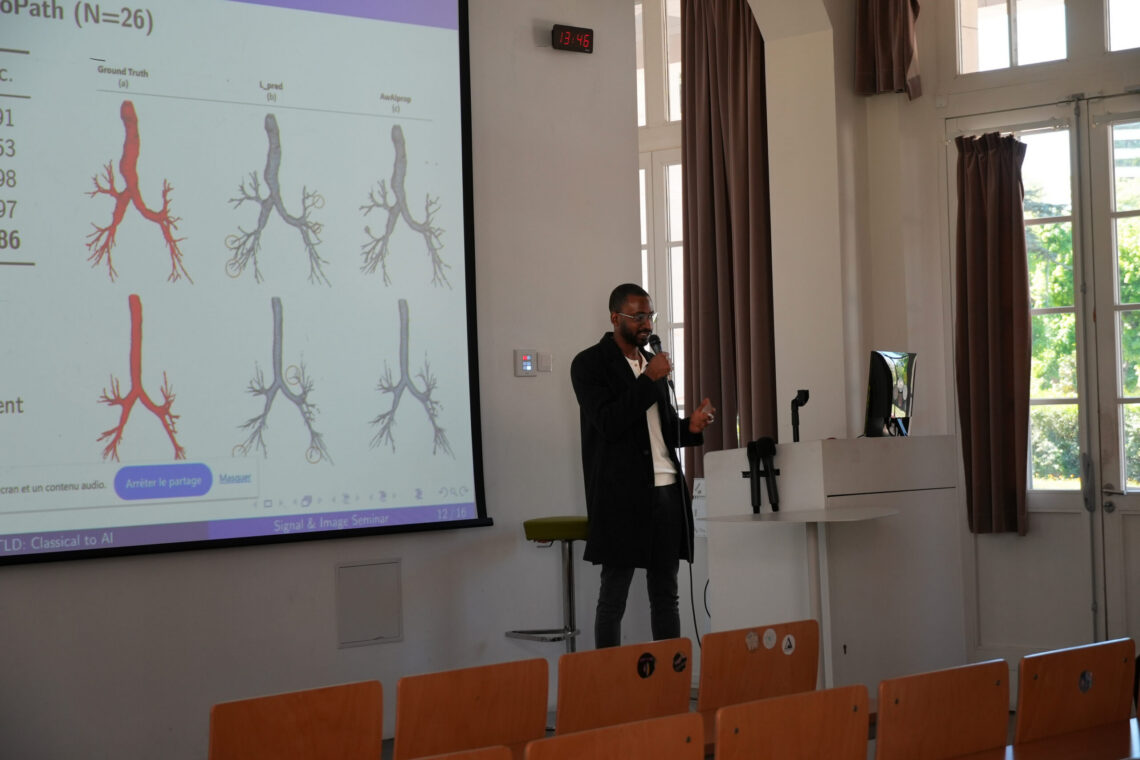
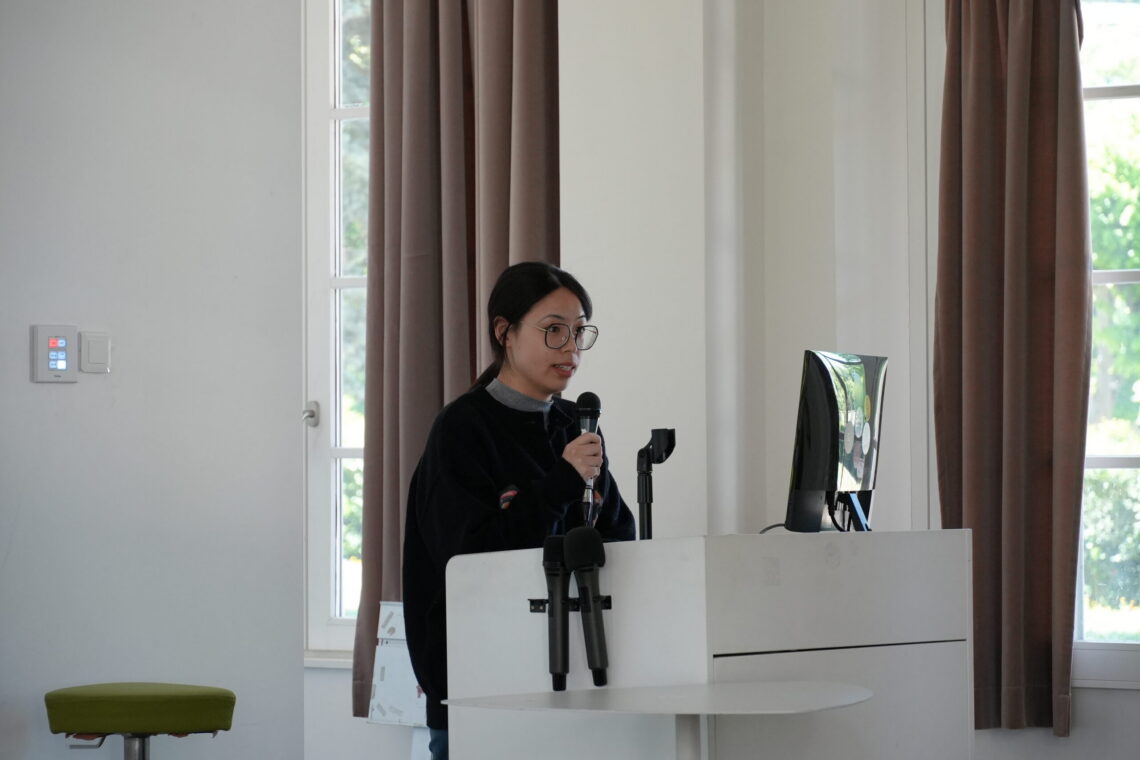
These three projects illustrate the growing role of signal and image processing, as well as artificial intelligence, in improving disease detection. They reflect the dynamism of research at Isep and its commitment to advancing healthcare.